How Car Key Replacement Works — Cut, Code, and Program on the Spot
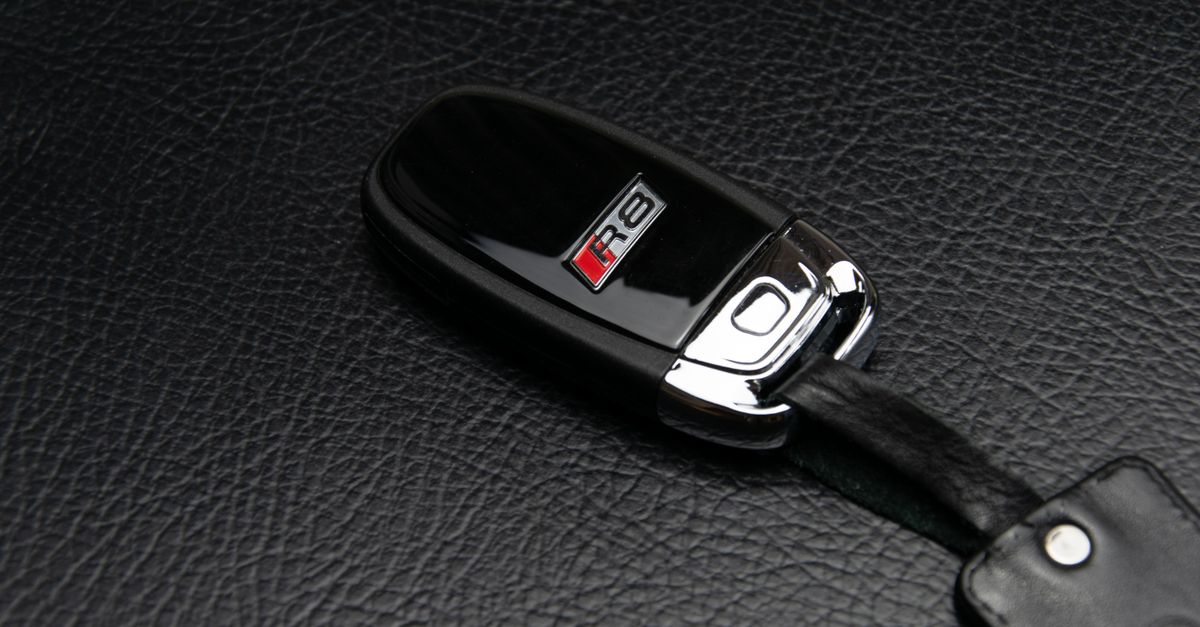
Modern car keys are far more than a piece of cut metal. Most vehicles manufactured in the last two decades use transponder keys, laser-cut high-security keys, proximity smart keys, or push-button fobs that must be electronically paired to your vehicle's immobilizer system. A key that is cut correctly but not programmed to match your specific car's ECU will not start the engine — and a key that is programmed but cut poorly won't even turn in the ignition. Our technicians carry professional-grade key-cutting machines and OBD diagnostic programmers in our mobile vans, letting us complete both steps on-site. We extract your vehicle's key code on file or use specialized decoding tools, cut the blade to factory tolerances, and then program the transponder or smart key to communicate with your car — all without needing to tow your vehicle anywhere.
The process varies by make and model, and that variation is exactly why experience matters. A Toyota Corolla with a standard transponder key requires a different workflow than a Ford F-150 with a PATS system, a Honda Accord using a flip key, or a BMW 3 Series with a comfort-access proximity fob. Chevrolet, Nissan, Hyundai, Jeep, Kia, Subaru, and many other brands each have their own immobilizer protocols and key blank specifications. Our technicians are trained across these platforms. When you call 718-618-6375, we ask for your year, make, model, and VIN so we can confirm the right equipment and blanks are loaded on the dispatch unit before we arrive.