What Forced Entry Actually Does to Your Door Hardware
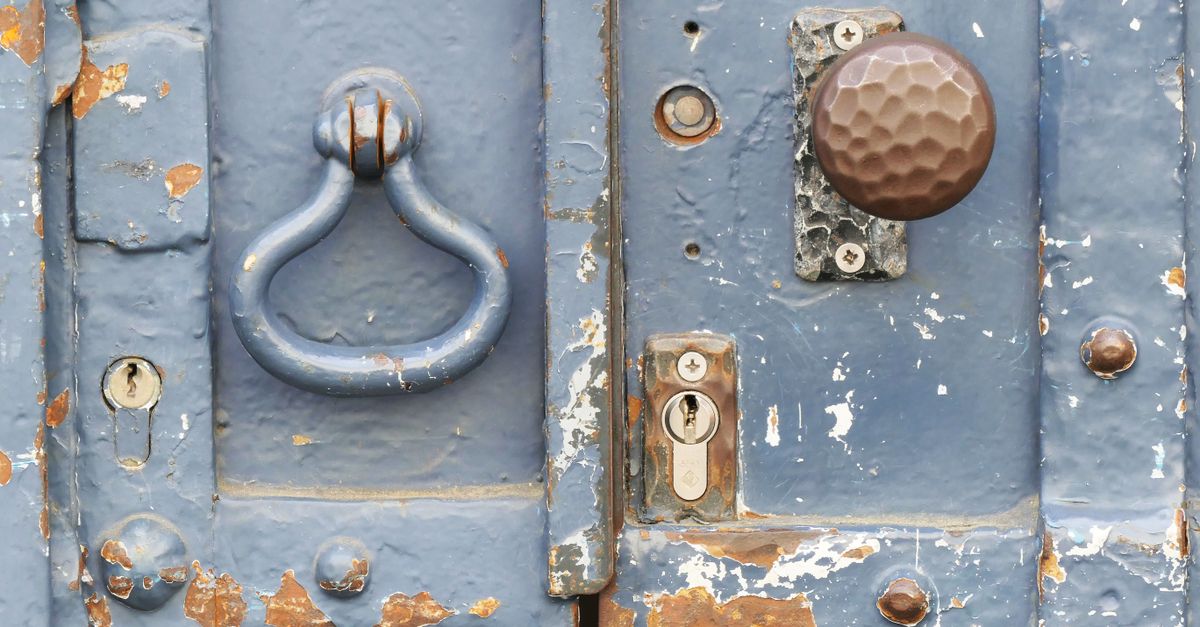
Most people assume a burglary just means a broken lock. The reality is far more layered. When a door knob lock is forced — whether by kicking, prying, or twisting — the damage typically radiates outward from the lock cylinder itself into the latch assembly, the strike plate, the door frame, and sometimes the door slab. A mortise lock, which is recessed deep into the door's edge and common in older Bronx apartment buildings and commercial storefronts, can suffer catastrophic internal damage even when the exterior face looks relatively intact. The internal levers and cam that control the deadbolt throw can shear completely, meaning a simple rekey will accomplish nothing — the lock body itself must be replaced. Understanding this distinction is the first thing our emergency locksmith technicians do on every post-burglary call: a thorough damage assessment before any recommendation is made.
Strike plate pull-out is another frequently overlooked failure point. Many residential doors in The Bronx — especially in pre-war and mid-century buildings throughout Parkchester, Soundview, and Highbridge — were originally installed with strike plates secured by short screws that bite only into the door casing, not into the structural stud behind it. A single solid kick can rip that plate free entirely, leaving a gap in the frame that no amount of rekeying will address. Our technicians carry heavy-duty reinforced strike plates and 3-inch structural screws on every vehicle, allowing us to rebuild the frame anchor point during the same visit as the lock replacement. True security after a break-in means treating the whole door system, not just the cylinder.