What Is a Mortise Lock and Why Older Bronx Buildings Depend on Them
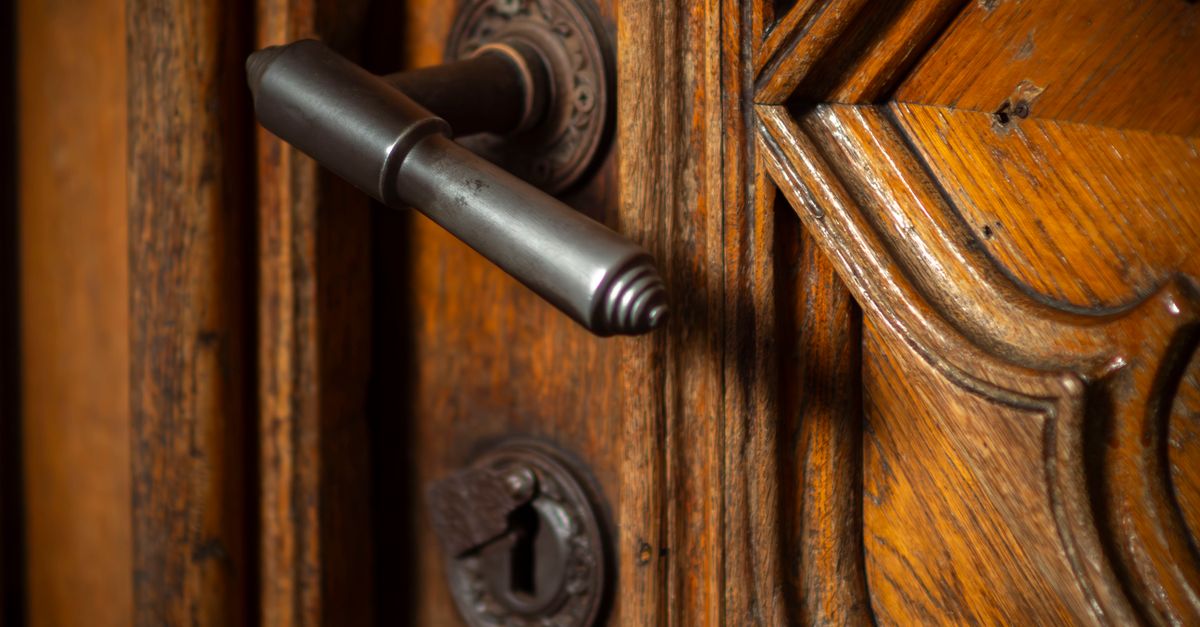
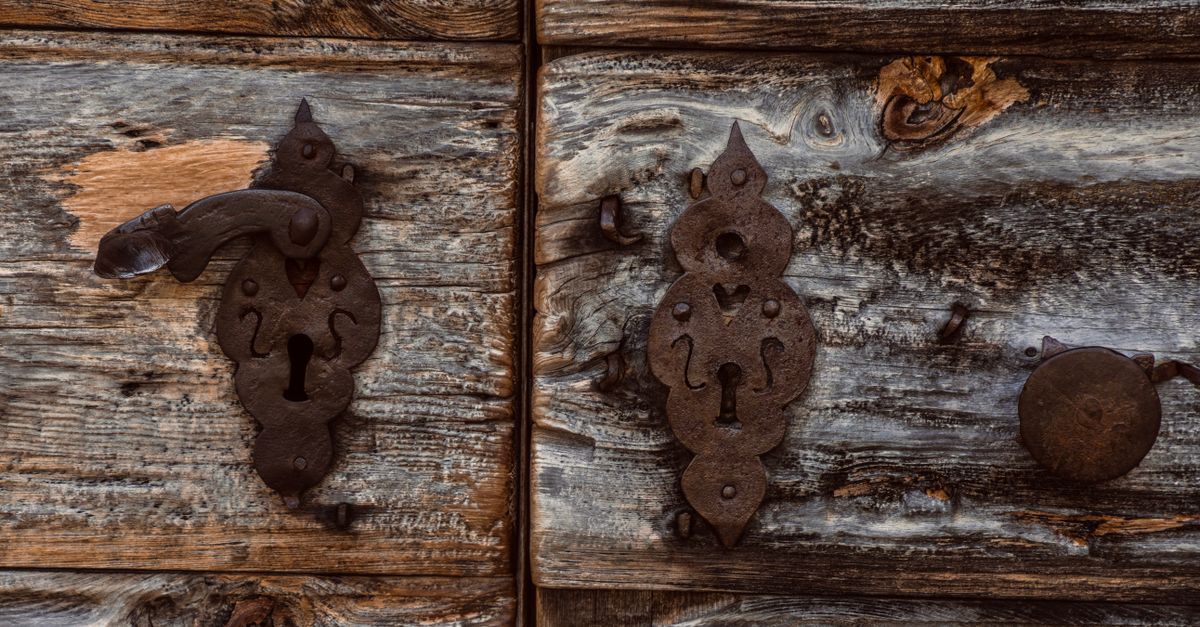
A mortise lock is fundamentally different from the cylindrical or knob-style locks found on newer construction. Instead of a simple bored hole, a mortise requires a deep rectangular pocket routed into the door stave, and the lock body — which houses the latch, the deadbolt throw, the cam mechanism, and internal springs — sits entirely within that pocket. The faceplate is flush with the door edge, the trim or escutcheon plate covers the cylinder and thumb-turn on each face, and a separate mortise lock cylinder threads into the body and drives the cam with its tail piece. This engineering makes mortise hardware far more resistant to kick-in attacks and door-gap spreading than surface-mounted alternatives, which is exactly why landlords and building superintendents in pre-war Bronx housing kept specifying it for decades.
The downside of that embedded design is that wear and corrosion are hidden inside the door until something actually fails. Springs fatigue, cams crack, and cast-iron lock bodies pit and seize — especially in buildings near the waterfront areas of Hunts Point or in basement-level units where moisture is a constant factor. When a mortise lock set begins to malfunction, the symptoms can range from a key that turns but won't retract the bolt, to a thumb-turn that spins freely, to a latch that no longer catches the strike plate. Each symptom points to a different internal component, and correctly identifying which one has failed is the first step our technicians take before recommending repair or full replacement.