Why Locks Jam and Keys Snap — and What That Means for Your Door
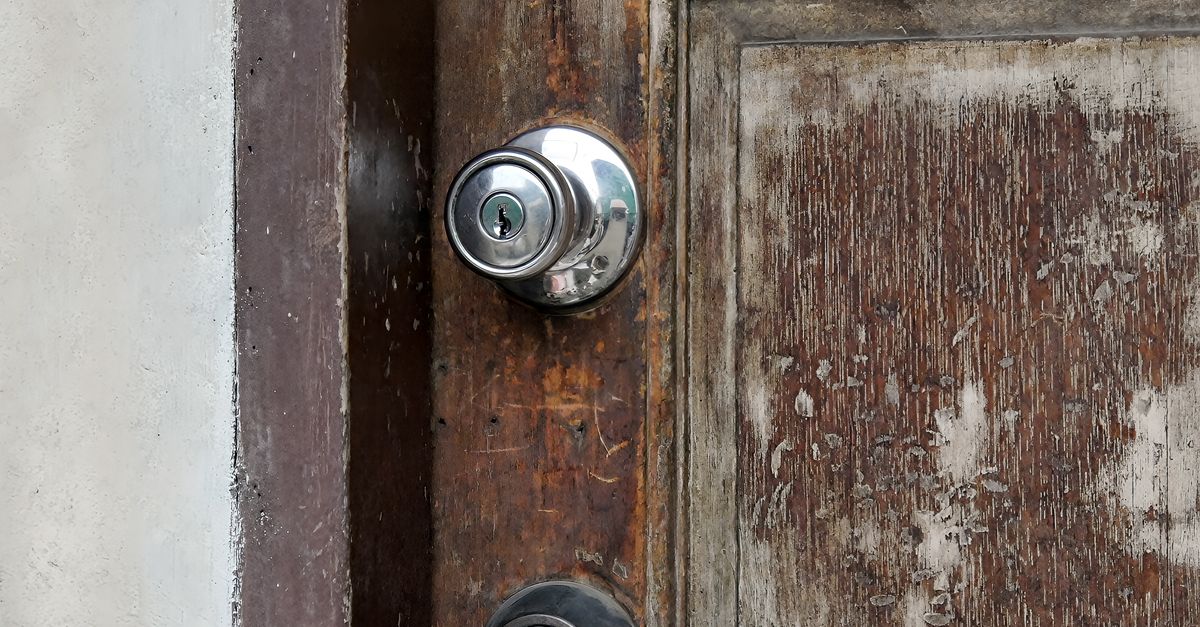
Locks seize for a surprisingly wide range of reasons. Dirt and grit accumulate inside cylinders over years of use, turning lubrication into an abrasive paste. In older Bronx buildings — especially the pre-war walk-ups common throughout Tremont and Highbridge — worn mortise lock mechanisms lose their internal spring tension, causing the bolt to drag or freeze mid-turn. Temperature swings between brutal Bronx summers and frigid winters cause metal components to expand and contract, subtly warping strike plates and throwing off the alignment between door and frame. And in commercial settings, a heavy steel door that has settled even a quarter-inch can put enough lateral stress on a door knob lock or mortise lock cylinder that turning the key becomes nearly impossible.
Key breakage almost always follows lock stress rather than preceding it. When a key meets serious resistance and the user applies extra torque, the blank — especially a thin-cut or heavily copied key — shears at the shoulder. Once a fragment is inside the cylinder, every additional attempt to insert or turn anything risks pushing it deeper, compressing it against a wafer or pin, and making extraction significantly more complex. Our trained technicians assess the fragment depth, cylinder type, and lock brand before selecting the right extraction tool — whether that's a hook pick, a broken key extractor, or a specialized jig for automotive locks — so the job is done right the first time without damaging the lock body.